
Call us now :07971258231
 Send Inquiry
 Send Inquiry
Under Ground Ball Valves
MOQ : 40 Pieces
Under Ground Ball Valves Specification
- Connection Type
- Socket Weld, Butt Weld, Flanged, or Threaded
- Features
- Corrosion Resistant, Long Life, Leak-proof Performance
- Material
- Ductile Iron/Carbon Steel/Stainless Steel
- Control System
- Manual Lever or Gear Operated
- Valve Size
- DN15-DN300
- Valve Type
- Underground Ball Valve
- Sealing
- PTFE/RPTFE/Viton
- Structure
- Floating Ball
- Application
- Underground water/gas/oil pipelines
- Type
- Ball Valve
- Power
- Manual
- Pressure
- PN16/PN25/PN40
- Media
- Water, Gas, Oil
- Port Size
- 15mm to 300mm (1/2 to 12)
- Temperature
- -20°C to 80°C
- Disc
- Stainless Steel/Brass
- Pin
- Standard steel pin
- Working Condition
- Suitable for direct underground burial
- Antistatic Device
- Yes
- Body Test Pressure
- Up to 1.5 times working pressure
- Operation Type
- Wrench, Gear Box, or Extension Spindle
- End Connection
- Available in Screwed, Flanged & Welded ends
- Blow Out Proof Stem
- Provided
- Coating
- Fusion bonded epoxy coated, anti-rust protection
- Fire Safe Design
- Yes
- Inspection Standard
- API 598/BS EN 12266
- Seat Test Pressure
- Up to 1.1 times working pressure
Under Ground Ball Valves Trade Information
- Minimum Order Quantity
- 40 Pieces
- Payment Terms
- Cash in Advance (CID)
- Delivery Time
- Week
- Sample Available
- Yes
- Sample Policy
- Within a certain price range free samples are available
- Packaging Details
- Wooden Boxes.
- Certifications
- ISO9001:2000, API6D
About Under Ground Ball Valves
With vision to be pioneer in our domain, we are engaged in business of manufacturing and supplying premium quality Under Ground Ball Valves. These valves are ideal for underground installation. They are designed for district heating system and other closed loop water system. They have fully welded body hence can be used in district heating as well as district cooling systems. Under Ground Ball Valves offer high degree of security and are maintenance free. These are 100 % leak-proof valves.
Features:
-
Has optimal tightness
-
Resistant to high axial forces
-
Controlled operating torque
Superior Corrosion Resistance
Our underground ball valves come with fusion-bonded epoxy coating and anti-rust protection, making them ideal for harsh subsurface environments. These features provide long-standing resilience against moisture, chemicals, and varying temperatures, ensuring dependable service and extended valve life in underground infrastructures.
Versatile Installation and Operation
The valves are available in a variety of end connections, including screwed, flanged, and welded ends, as well as multiple operation types such as wrench, gearbox, and extension spindle. This flexibility allows seamless integration into diverse pipeline systems for water, gas, or oil transport.
Rigorous Safety and Performance Standards
Each valve incorporates advanced safety features like a fire-safe design, antistatic device, and blowout-proof stem. Thoroughly tested under API 598 and BS EN 12266 inspection standards, the valves guarantee reliable performance and meet stringent industry requirements for underground applications.
FAQs of Under Ground Ball Valves:
Q: How does the fusion bonded epoxy coating benefit underground ball valves?
A: Fusion bonded epoxy coating provides robust corrosion and rust protection for underground ball valves, shielding them from moisture, chemicals, and soil-borne corrosives often encountered in buried applications. This enhances longevity and minimizes maintenance, ensuring reliable operation over time.Q: What types of end connections are available for these ball valves?
A: The underground ball valves are offered with multiple end connection types, including screwed, flanged, socket weld, butt weld, and threaded ends. This variety supports compatibility with different installation requirements found in various pipeline systems.Q: When should anti-static devices and fire-safe designs be specified for underground ball valves?
A: Anti-static devices and fire-safe designs are essential for valves installed in locations with a risk of static discharge or potential fire hazards, such as oil and gas pipelines. These features ensure operational safety and compliance with regulatory standards in critical environments.Q: Where can these underground ball valves be installed?
A: These valves are specifically engineered for direct burial in underground water, gas, or oil pipelines. Their corrosion-resistant build and robust construction make them suitable for municipal, industrial, and utility infrastructure across various geographies.Q: What is the testing process for ensuring leak-proof performance and reliability?
A: Each valve undergoes stringent testing in accordance with API 598 and BS EN 12266 standards. Body test pressures reach up to 1.5 times the working pressure, while seat test pressures reach up to 1.1 times. These tests certify leak-proof performance, build integrity, and operational reliability.Q: How are these valves operated and what are the available control options?
A: The valves can be manually controlled using a lever (wrench), operated via a gear box, or accessed through an extension spindle. This accommodates both shallow and deeper pipeline installations, providing reliable manual control as per the sites requirements.Q: What advantages do users gain from choosing these underground ball valves?
A: Users benefit from long-term leak-proof operation, superior corrosion resistance, robust safety features, and flexible installation options. The valves proven durability reduces maintenance needs and ensures reliable media control for water, gas, or oil pipelines in demanding underground environments.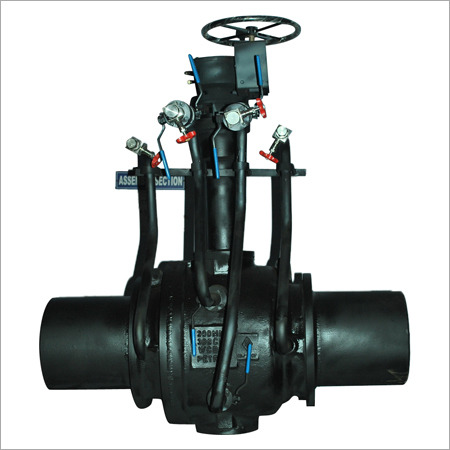
Tell us about your requirement

Price:
Quantity
Select Unit
- 50
- 100
- 200
- 250
- 500
- 1000+
Additional detail
Mobile number
Email

More Products in Industrial Valve Category
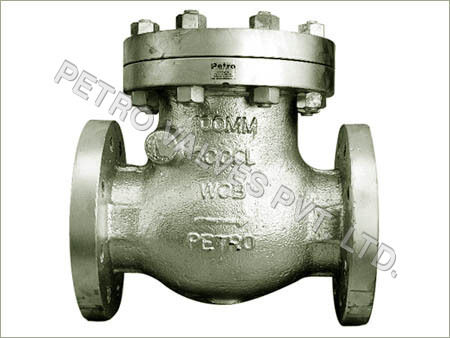
Swing Check Valve
Minimum Order Quantity : 80 Pieces
Media : Other, Water, Oil, Gas, Steam, Chemicals
Connection Type : Flanged, Screwed, Socket Weld
Material : Cast Iron, Cast Steel, Stainless Steel, Ductile Iron, Bronze
Application : Water, Oil, Gas, Steam pipelines, Industrial process systems
Disc : Single Swing Disc
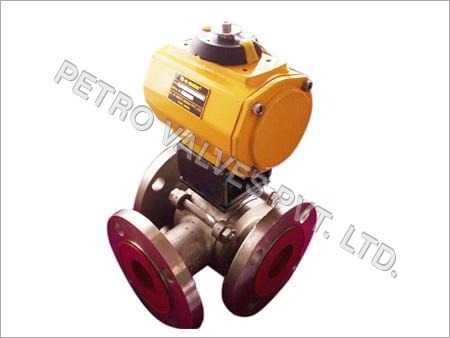
3 Way Actuated Ball Valve
Minimum Order Quantity : 60 Pieces
Media : Other, Water, air, steam, oil, gas, chemical
Connection Type : Threaded (BSP/NPT), Flanged, Socket Weld
Material : Stainless Steel (SS304/SS316), Brass, or others by request
Application : Industrial automation, fluid control, water treatment, HVAC systems, process pipelines
Disc : Stainless steel or brass
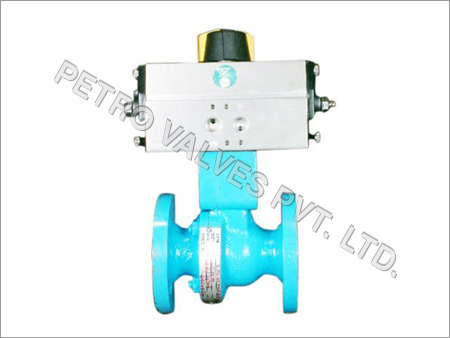
Pneumatic Act Ball Valve
Minimum Order Quantity : 50 Pieces
Media : Other, Water, air, oil, gas, chemicals
Connection Type : Flanged, Screwed, or Socket Weld
Material : Stainless Steel (SS304/SS316) or Carbon Steel
Application : Industrial automation, fluid control, water treatment, oil & gas, pneumatic applications
Disc : SS304/SS316 ball
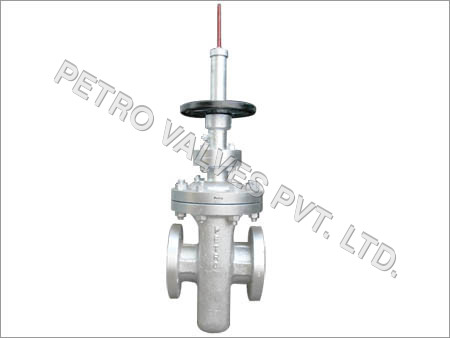
Conduct Gate Valve
Minimum Order Quantity : 50 Pieces
Media : Other, Water, Oil, Gas, Steam
Connection Type : Flanged Ends
Material : Cast Iron / Stainless Steel / Carbon Steel
Application : Industrial pipeline flow control
Disc : Solid wedge

 Send Inquiry
Our Products

Corporate Office & Unit-Ii:-Survey No.1144, Opp. Gharda Ghar, Indore Highway, Kuha, Ahmedabad - 382433, Gujarat, India

 Send Inquiry
 Send SMS
Developed and Managed by Infocom Network Private Limited.
