
Call us now :07971258231
 Send Inquiry
 Send Inquiry
Investment Casting Ball Valve
MOQ : 50 Pieces
Investment Casting Ball Valve Specification
- Features
- Corrosion Resistant, Blowout proof stem, Anti-static devices, Fire safe design
- Connection Type
- Screwed / Flanged / Socket Weld
- Control System
- Manual Lever / Gear Operated
- Valve Size
- 1/2 Inch to 4 Inch
- Valve Type
- Two Piece / Three Piece
- Material
- Stainless Steel (CF8/CF8M/CF3M), Carbon Steel (WCB)
- Voltage
- N/A (Manual Operation)
- Application
- Industrial, Chemical, Oil & Gas, Water Treatment, Petrochemical
- Structure
- Ball Valve
- Sealing
- PTFE / RPTFE
- Type
- Investment Casting Ball Valve
- Power
- Manual
- Pressure
- Up to PN40 / Class 300
- Media
- Water, Oil, Gas, Acidic Fluids
- Port Size
- Full Bore
- Temperature
- -20°C to 200°C
- Disc
- Stainless Steel
- Pin
- Stainless Steel
- Body Surface Finish
- Shot Blasted / Mirror Polished
- Fire Safe Design
- Available
- Ball Material
- SS304/SS316
- Testing Standard
- API 598 / EN 12266-1
- Design Standard
- ASME B16.34 / API 6D
- End Connection
- BSP/NPT Threaded, ANSI/DIN/BS Flange
- Blow-out Proof Stem
- Yes
- Mounting Pad
- ISO 5211 Available
- Stem Material
- Stainless Steel
- Working Pressure Range
- 16 bar to 40 bar
- Seat Material
- PTFE / CFT / TFM1600
- Operation
- Quarter Turn (90)
- Handle Material
- SS with PVC Sleeve
Investment Casting Ball Valve Trade Information
- Minimum Order Quantity
- 50 Pieces
- Payment Terms
- Cash in Advance (CID)
- Delivery Time
- Week
- Sample Available
- Yes
- Sample Policy
- Within a certain price range free samples are available
- Packaging Details
- Wooden Boxes.
- Main Export Market(s)
- Middle East, Asia
- Certifications
- ISO9001:2000, API6D
About Investment Casting Ball Valve
With utmost support from our talented employees, we are one of the leading companies engaged in business of manufacturing and supplying Investment Casting Ball Valve. This valve is made through a casting process also called as lost-wax casting. It produces a highly finished surface. Our valve directs, guides, and modulates flow of various types of liquid with help of a port carrying ball. One can manually open or close port and can control pressure in flow of liquid. Investment Casting Ball Valve is made of steel, brass, iron, or bronze depending upon customer requirements.
Features:
-
High dimensional accuracy
-
No parting line in product
-
High wear resistance
Precision Construction & Materials
Manufactured with investment casting technology, our ball valves guarantee dimensional accuracy and superior strength. Choices of body and ball in SS304, SS316, and carbon steel (WCB) enhance corrosion resistance, making them suitable for aggressive media such as water, oil, gas, and chemicals. Surface finishing options like shot blasted and mirror-polished add to the lifespan and cleanliness.
Versatile Connection and Operation
Available with threaded (BSP/NPT), flanged (ANSI/DIN/BS), and socket weld ends, these ball valves are compatible with diverse piping systems. They feature easy-to-operate manual levers or gear mechanisms and a full bore structure for minimal flow resistance. The quarter-turn (90) operation simplifies process control and reduces maintenance needs.
Enhanced Safety and Compliance
Safety-critical features include a blow-out proof stem, anti-static devices, and the option for fire-safe designs. All valves adhere to API 598 and EN 12266-1 testing standards, and are designed in compliance with ASME B16.34 and API 6D. These high standards ensure consistent, leak-tight performance and user protection in demanding applications.
FAQs of Investment Casting Ball Valve:
Q: How does the Investment Casting Ball Valve ensure leak-free performance across different media?
A: The valve is equipped with resilient PTFE, CFT, or TFM1600 seats and precisely machined stainless steel or carbon steel components. The robust sealing ensures tight shut-off, preventing leaks in media such as water, oil, gas, or even acidic fluids. Rigorous testing as per API 598 and EN 12266-1 further guarantees dependable performance.Q: What end connection types are available for these ball valves, and where can they be installed?
A: End connections include BSP/NPT threaded, ANSI/DIN/BS flanged, and socket weld types. This flexibility allows installation in piping systems across industrial, chemical, petrochemical, oil & gas, and water treatment plants, both in new and retrofit projects.Q: When should I choose a fire-safe design and what are its benefits?
A: A fire-safe design should be selected for installations where theres a risk of flammable fluid exposure or fire hazards, such as oil & gas and chemical industries. The design prevents leakage of dangerous media when exposed to fire, enhancing facility and operator safety.Q: How is the blow-out proof stem design advantageous?
A: The blow-out proof stem construction secures the stem within the valve body, preventing accidental ejection due to pressure surges or operational mishaps. This feature ensures enhanced safety and reliability, particularly in high-pressure applications up to PN40/Class 300.Q: What is the process for installing or operating this ball valve?
A: Installation depends on the selected end connection but generally includes properly aligning the valve with the pipe, tightening flanges or threads to the specified torque, and checking for leaks. Operation is straightforward via a manual lever or gear mechanism, requiring a simple 90 quarter-turn movement to open or close the valve.Q: What are the usage and long-term benefits of using investment casting ball valves?
A: These ball valves provide excellent durability, corrosion resistance, and precise flow control. Their robust construction minimizes maintenance, supports a long service life, and ensures operational reliability even in harsh media and environmentsreducing both downtime and costs.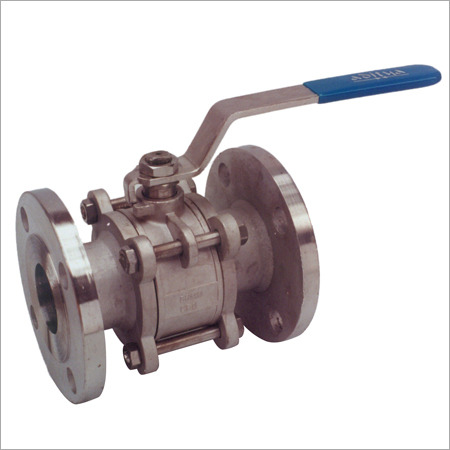
Tell us about your requirement

Price:
Quantity
Select Unit
- 50
- 100
- 200
- 250
- 500
- 1000+
Additional detail
Mobile number
Email

More Products in Industrial Valve Category
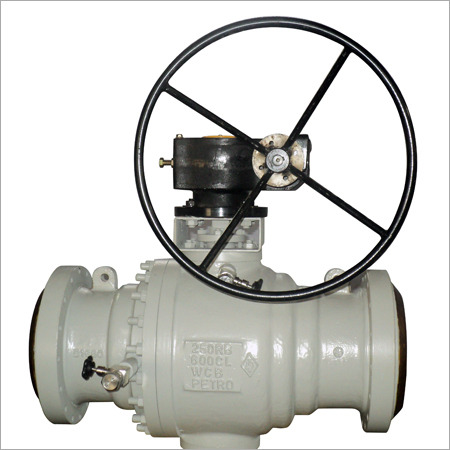
Pipe Line Ball Valve
Minimum Order Quantity : 80 Pieces
Port Size : 1/2 inch to 8 inch
Application : Industrial pipeline systems, Water & Gas supply, Oil & Petrochemical industries
Connection Type : Screwed (BSP/NPT), Flanged, Welded
Control System : Manual lever operated
Disc : Chrome plated brass/SS304 ball
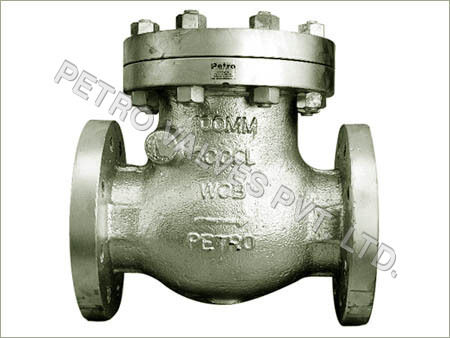
Swing Check Valve
Minimum Order Quantity : 80 Pieces
Port Size : 15 mm to 600 mm (Approx. 1/2 to 24)
Application : Water, Oil, Gas, Steam pipelines, Industrial process systems
Connection Type : Flanged, Screwed, Socket Weld
Control System : Manual, Selfactuated (Flow dependent)
Disc : Single Swing Disc
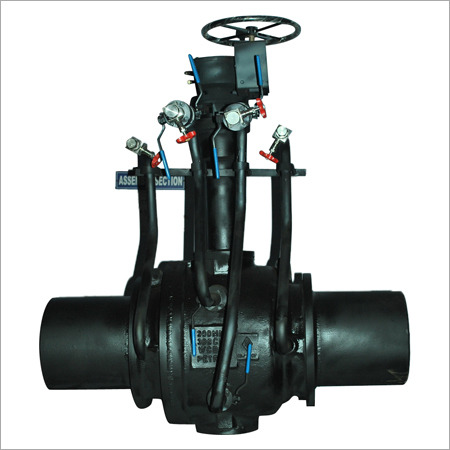
Under Ground Ball Valves
Minimum Order Quantity : 40 Pieces
Port Size : 15mm to 300mm (1/2 to 12)
Application : Underground water/gas/oil pipelines
Connection Type : Socket Weld, Butt Weld, Flanged, or Threaded
Control System : Manual Lever or Gear Operated
Disc : Stainless Steel/Brass
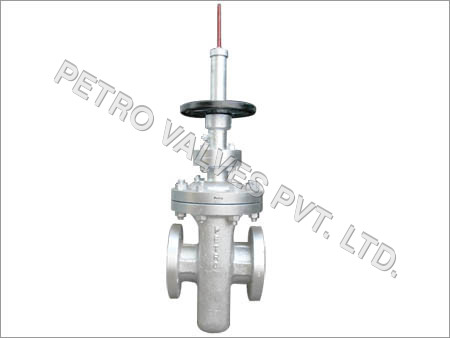
Conduct Gate Valve
Minimum Order Quantity : 50 Pieces
Port Size : Full port
Application : Industrial pipeline flow control
Connection Type : Flanged Ends
Control System : Manual Handwheel
Disc : Solid wedge

 Send Inquiry
Our Products

Corporate Office & Unit-Ii:-Survey No.1144, Opp. Gharda Ghar, Indore Highway, Kuha, Ahmedabad - 382433, Gujarat, India

 Send Inquiry
 Send SMS
Developed and Managed by Infocom Network Private Limited.
