
Call us now :07971258231
 Send Inquiry

 Send Inquiry
Pipe Line Ball Valve
MOQ : 80 Pieces
Pipe Line Ball Valve Specification
- Valve Size
- DN15 to DN200
- Material
- Stainless Steel/Brass/Cast Iron
- Features
- Corrosion resistance, Full bore design, Easy operation, Leak-proof
- Connection Type
- Screwed (BSP/NPT), Flanged, Welded
- Control System
- Manual lever operated
- Valve Type
- Pipeline Ball Valve
- Sealing
- PTFE/Teflon seat
- Voltage
- Not applicable (manual operation)
- Application
- Industrial pipeline systems, Water & Gas supply, Oil & Petrochemical industries
- Structure
- Two-piece or full bore
- Type
- Ball Valve
- Power
- Manual
- Pressure
- Up to 40 Bar (PN40)
- Media
- Water, Oil, Gas, Chemical fluids
- Port Size
- 1/2 inch to 8 inch
- Temperature
- -10°C to 120°C
- Disc
- Chrome plated brass/SS304 ball
- Pin
- High strength steel pin for stem connection
- End Connection
- Threaded/Flanged/Welded ends
- Body Finish
- Electro-polished or powder coated
- Weight
- Varies with size (approx. 0.5kg to 12kg)
- Operating Torque
- Low, suitable for quick opening/closing
- Operating Mode
- Quarter turn
- Leakage Class
- Class VI
- Mounting pad
- ISO 5211 mounting pad (optional)
- Testing Standard
- API 598/BS EN 12266-1
- Handle Material
- MS with PVC sleeve for grip
- Stem Material
- Stainless Steel
Pipe Line Ball Valve Trade Information
- Minimum Order Quantity
- 80 Pieces
- Payment Terms
- Cash in Advance (CID)
- Delivery Time
- Week
- Sample Available
- Yes
- Sample Policy
- Within a certain price range free samples are available
- Packaging Details
- Wooden Boxes.
- Certifications
- ISO9001:2000, API6D
About Pipe Line Ball Valve
We have gained immense admiration from our respected clients for manufacturing and supplying premium quality Pipe Line Ball Valve. Our product is used in pipeline transmission to control flow of fluids including crude oil, diesel, gasoline, and gas. There are two types of ball valves used in pipeline service, quarter- turn and multi-turn. This valve contains a large rotating handle to control fluid flow. Pipe Line Ball Valve is made of high-quality raw material including carbon steel and stainless steel. This is highly durable.
Features:
-
High flow coefficient
-
Easy to install
-
Leak-proof body
Engineered for Durability and Safety
Designed with corrosion-resistant materials and advanced finishes such as electro-polishing or powder coating, our Pipeline Ball Valve ensures long-lasting, trouble-free performance. The inclusion of a high-strength steel pin for the stem connection, along with PTFE/Teflon seals, delivers excellent leak prevention even in demanding industrial environments.
Versatile Applications Across Industries
This valve serves a broad range of sectors including water and gas supplies, oil and petrochemical industries, and chemical fluid handling. Suitable for both high and low pressure systems, and available in various sizes and connection types, it provides flexibility for integration in both new and retrofit pipeline installations.
FAQs of Pipe Line Ball Valve:
Q: How does the full bore design of the Pipeline Ball Valve benefit industrial applications?
A: The full bore design allows for unobstructed flow with minimal pressure drop, making it ideal for applications where maintaining high-flow efficiency and reducing energy loss are critical, such as in water, oil, and gas pipelines.Q: What media can be safely handled with this Pipeline Ball Valve?
A: Our valve is suitable for a range of media, including water, oil, gas, and a variety of chemical fluids, thanks to its corrosion-resistant materials and PTFE/Teflon sealing, which ensure compatibility and safety across diverse applications.Q: When should I choose a threaded, flanged, or welded end connection?
A: Choose threaded ends for smaller pipelines or systems requiring frequent maintenance, flanged ends for high-pressure or high-temperature installations, and welded ends for permanent, leak-proof connections in critical service environments.Q: Where is the Pipeline Ball Valve commonly used?
A: This valve is commonly installed in industrial pipeline systems serving water and gas supplies, oil and petrochemical industries, and chemical processing plants, as well as in power generation facilities.Q: What is the process for operating this ball valve?
A: The valve operates manually via a quarter-turn lever mechanism. Simply rotate the handle 90 degrees to open or close the valve quickly. The MS handle with a PVC sleeve ensures a comfortable grip even during extended use.Q: How does the valves leak-proof design enhance operational safety?
A: The combination of precision-tested PTFE/Teflon seats and robust chrome-plated brass or stainless steel balls ensures Class VI leakage protection, greatly reducing the risk of fluid loss or contamination in sensitive applications.Q: What is the benefit of having an ISO 5211 mounting pad?
A: The optional ISO 5211 mounting pad enables easy integration with actuators for automated control systems, providing future upgrade paths and superior flexibility for both manual and remote operations.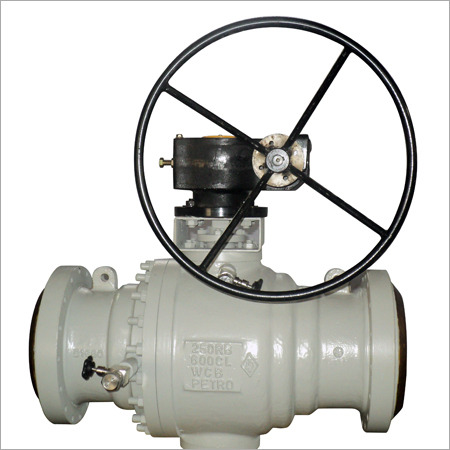
Tell us about your requirement

Price:
Quantity
Select Unit
- 50
- 100
- 200
- 250
- 500
- 1000+
Additional detail
Mobile number
Email

More Products in Industrial Valve Category
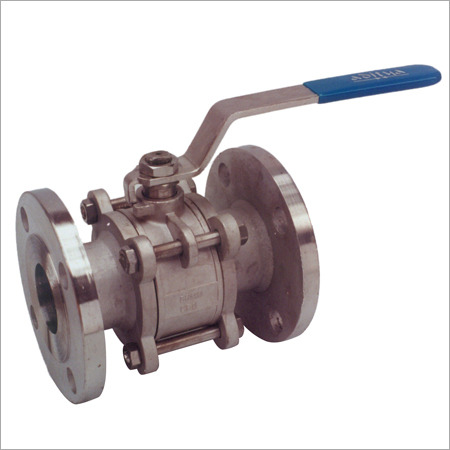
Investment Casting Ball Valve
Minimum Order Quantity : 50 Pieces
Power : Manual
Media : Other, Water, Oil, Gas, Acidic Fluids
Port Size : Full Bore
Valve Size : 1/2 Inch to 4 Inch
Material : Stainless Steel (CF8/CF8M/CF3M), Carbon Steel (WCB)
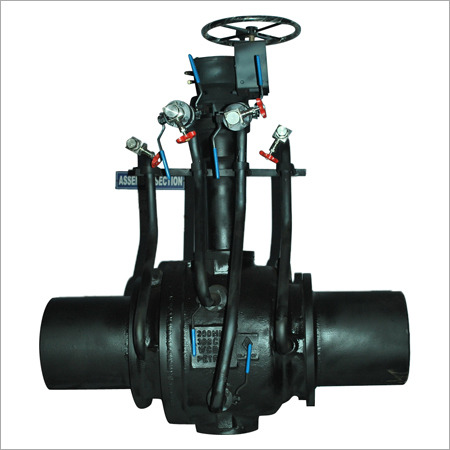
Under Ground Ball Valves
Minimum Order Quantity : 40 Pieces
Power : Manual
Media : Other, Water, Gas, Oil
Port Size : 15mm to 300mm (1/2 to 12)
Valve Size : DN15DN300
Material : Ductile Iron/Carbon Steel/Stainless Steel
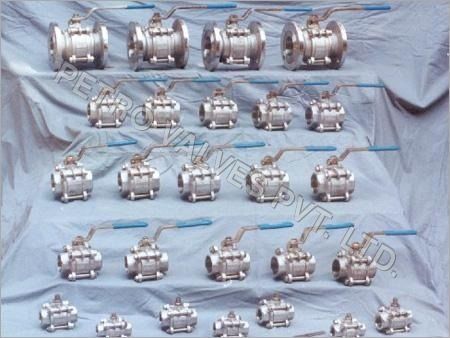
Steel Ball Valve
Power : Manual
Media : Other, Water, Oil, Gas, Air
Port Size : 1/2 inch to 4 inch (available in various sizes)
Valve Size : 15mm to 100mm
Material : Stainless Steel / Carbon Steel
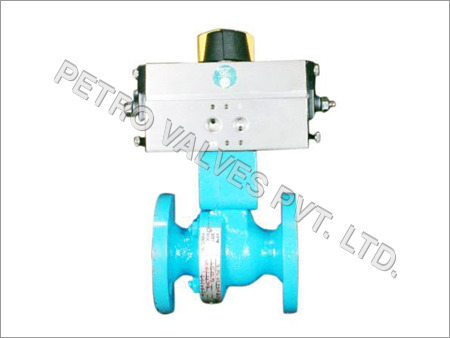
Pneumatic Act Ball Valve
Minimum Order Quantity : 50 Pieces
Power : Pneumatic
Media : Other, Water, air, oil, gas, chemicals
Port Size : 1/2 to 4 (DN15 to DN100)
Valve Size : DN15 to DN100 (1/2 to 4)
Material : Stainless Steel (SS304/SS316) or Carbon Steel

 Send Inquiry
Our Products

Corporate Office & Unit-Ii:-Survey No.1144, Opp. Gharda Ghar, Indore Highway, Kuha, Ahmedabad - 382433, Gujarat, India

 Send Inquiry
 Send SMS

Developed and Managed by Infocom Network Private Limited.
